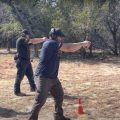
Buying a first firearm is not just a shopping decision. It is a responsibility workflow: define why you want a firearm, learn the laws, build a storage plan, get training, choose a gun that fits the job, and keep practicing after the first range trip. This guide gives first-time owners the order of operations.
Step 1: Define The Job Before Choosing A Gun
A good first gun depends on the job. A handgun for concealed carry, a shotgun for birds or clays, a rifle for hunting, and a .22 for inexpensive practice all solve different problems. Start with the use case, then compare firearm types instead of buying the loudest recommendation online.
- Home defense: prioritize safe storage, training, reliability, and a setup you can handle under stress.
- Hunting: match the firearm, cartridge or gauge, optics, and local laws to the game and terrain.
- Range practice: choose affordable ammunition, mild recoil, and a platform that helps you build fundamentals.
- Concealed carry: confirm laws, holster safety, training, and daily storage before focusing on pistol size.
Step 2: Check Laws Before Money Changes Hands
Do the legal check before the purchase, not after. Start with the gun laws hub, then verify your state rules, local restrictions, age requirements, carry rules, waiting periods, purchase process, and transportation requirements through official sources. Federal dealer purchases also involve federal background-check rules.
Step 3: Build A Safety And Storage Plan
A first firearm should not come home before the storage plan is ready. Decide where the firearm will be locked, who can access it, where ammunition will be kept, and how you will handle guests, children, roommates, and anyone who should not have access. For the detailed safety rules, use the gun safety guide rather than trying to memorize everything from this page.
Step 4: Choose A First Firearm By Fit
| Situation | Safe habit |
|---|---|
| Fit and controls | You should be able to reach the trigger, safety, magazine release, cylinder release, bolt, or charging handle without unsafe hand movement. |
| Recoil | A firearm you avoid practicing with is a poor beginner choice, even if it is powerful. |
| Ammunition cost | Practice cost matters. Compare ammo availability before buying the firearm. |
| Maintenance | A simpler platform with clear takedown steps can be a better first ownership experience. |
Use the types of guns guide for the broad comparison, then move into a specific guide such as rifles, shotguns, or handgun resources once the category is clear.
Step 5: Take Training Before Habits Set In
Training is not only for tactical shooters. A basic class teaches loading, unloading, grip, stance, sight picture, trigger control, clearing malfunctions, range commands, and safe storage. Use the firearms training guide to decide what kind of instruction fits your next step.
Step 6: Buy The Supporting Gear
- Locking storage before the firearm comes home.
- Eye and ear protection for every range trip.
- A cleaning kit matched to the caliber or gauge.
- A quality holster only if you are carrying or training from the holster.
- Ammunition for training, plus a separate plan for defensive or hunting ammunition if relevant.
Your First 30 Days As A Gun Owner
- Read the manual and identify every control on the unloaded firearm.
- Practice safe loading and unloading with no live ammunition in the room.
- Confirm storage works for your actual household, not just for an empty room.
- Take a beginner class or schedule one-on-one instruction.
- Keep a simple log of range trips, malfunctions, ammo used, and maintenance.
Beginner Ownership Sources
- Project ChildSafe[1]
- NRA Gun Safety Rules[2]
- ATF eRegulations[3]